It’s 4:30 on a January afternoon in Denver, and the light is already fading. When the sun sets early and the temperatures drop, winter has a way of making our homes feel a little darker, even with 300 days of sunshine.
If you’ve ever walked into your house on a grey winter evening and felt the space close in around you, it’s not just the winter blues. Winter doesn’t have to be something you endure.
Denver home remodeling contractors know it takes more than good insulation and a solid HVAC system to create cozy winter spaces. They embrace the season with designs tailored to Colorado’s low winter sun, dramatic temperature shifts, and darker months.
Let’s explore how thoughtful design can transform your home into a space that feels warm and inviting year-round.
Understanding Winter Light in Denver

Denver’s winter light is unique. We still get plenty of sunshine, but the sun sits lower in the sky and the days are shorter. Most homes are designed with summer in mind—shading south-facing windows, maximizing cross breezes, planning for heat management.
But winter is when we usually spend the most time indoors, and that low winter sun behaves differently than the high summer sun. The angle changes how light enters and moves through your home. In historic neighborhoods with older homes, like the Highlands and Curtis Park, light issues are common.
We’ve worked with many clients who didn’t realize how much the lack of daylight in certain rooms was affecting their daily well-being. A home office that feels bright and airy in July can feel like a cave in February. Or the kitchen that gets beautiful afternoon light in the summer might be dim and uninviting during early winter evenings when you’re cooking dinner.
Maximizing Natural Light
South-facing windows are the winter MVPs. The low-angle sun can penetrate deep into your home if you design for it.
We often recommend larger or additional south-facing windows in primary living spaces, kitchens, and home offices—the places where you spend significant time during the daylight hours. Transom windows and clerestory windows are particularly effective because they allow the winter sun to reach further into the space without sacrificing your privacy or wall space.
But you also have to channel the light when it enters your home. Reflective surfaces and thoughtful material choices can distribute natural light throughout a space. Light-colored oak flooring, for example, bounces light differently than dark walnut.
A white quartz countertop also reflects light back into the room in ways dark granite can’t. You don’t have to make everything stark white, but with subtle choices here and there, you can create spaces that feel brighter.
Opening up sightlines between rooms allows light to travel. When we remove a wall between a kitchen and living room, we’re not just creating an open floor plan for entertaining. We’re also allowing that south-facing living room window to bring light into the kitchen workspace.
Layered Lighting Design
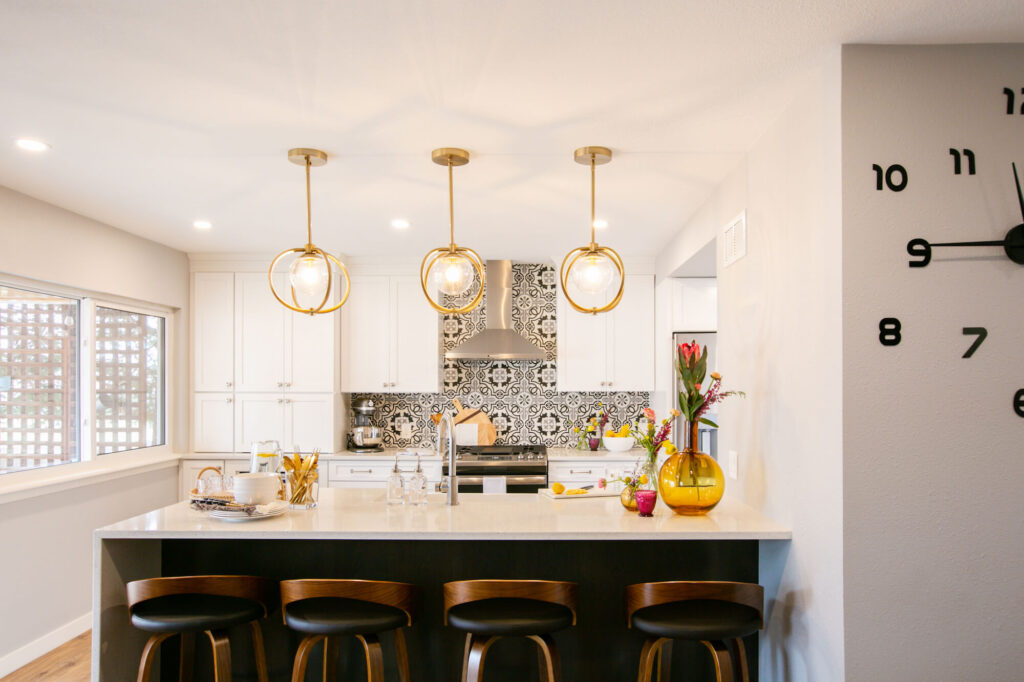
Natural light is important. But in Denver, you often need artificial light by 5pm. Overhead lighting alone creates harsh shadows and fails to warm a space. Instead, we design with three distinct layers: ambient lighting that provides overall illumination, task lighting for specific activities, and accent lighting that adds depth and visual interest.
Color temperature matters more than most people realize. In winter, warm-toned lighting (2700K-3000K) creates an inviting atmosphere. We also incorporate dimming capabilities wherever possible. The lighting you need at 7am when you’re making coffee is different from what you want at 7pm when you’re winding down.
Material Warmth
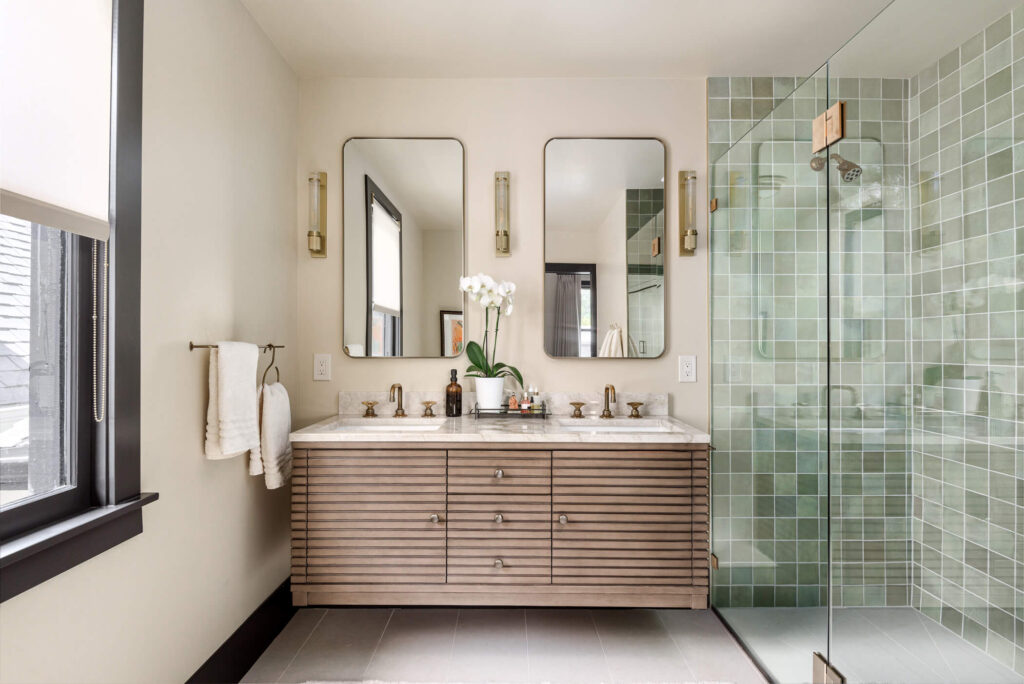
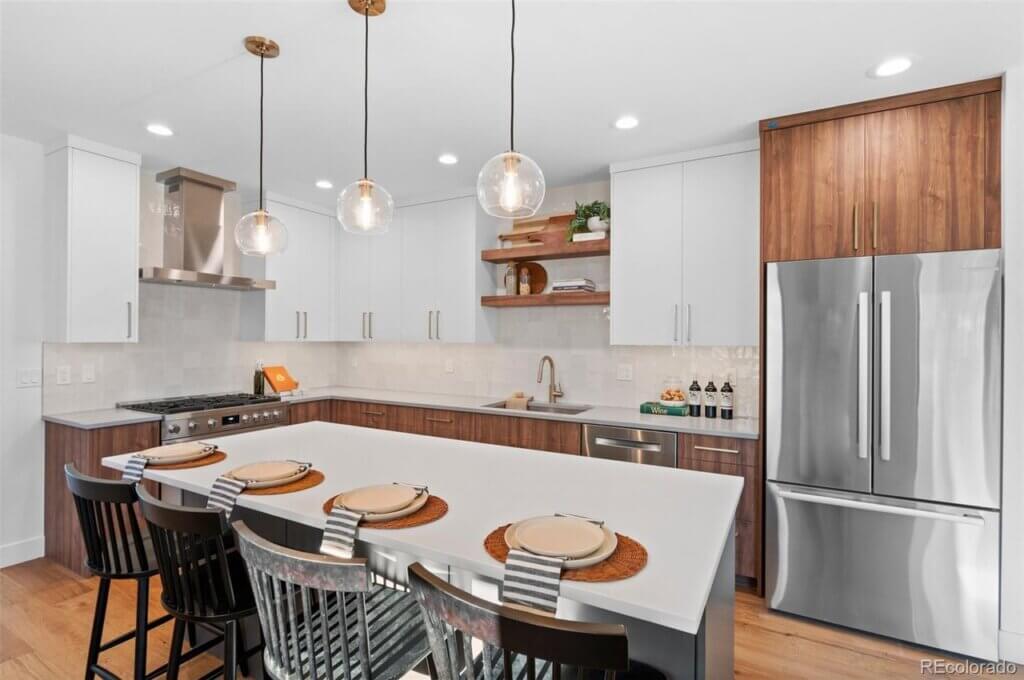
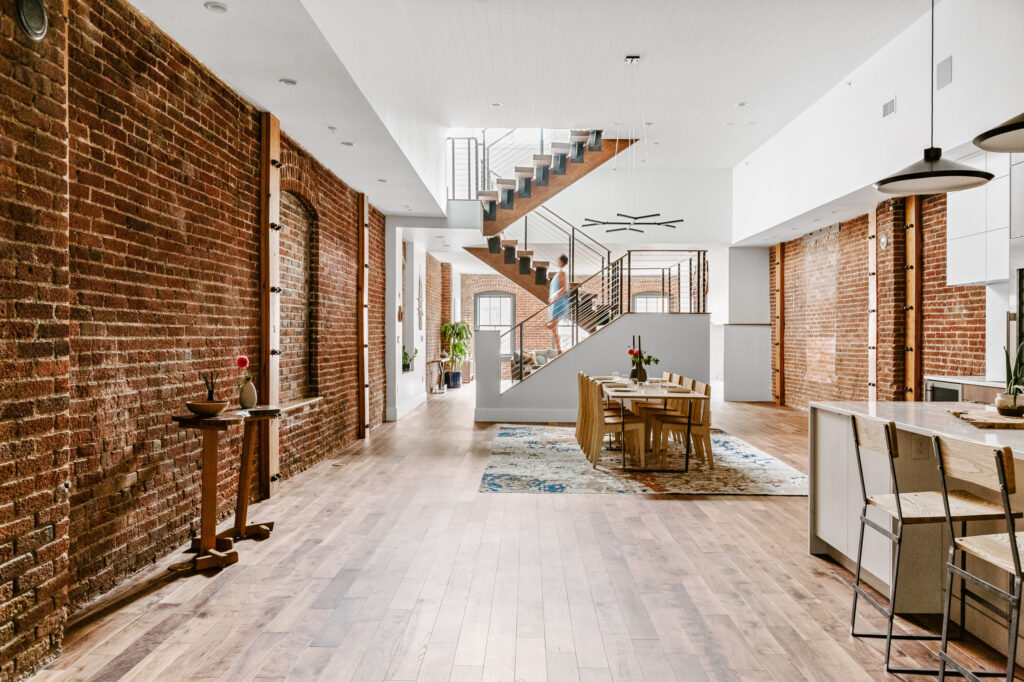
Natural wood elements—whether it’s white oak flooring, walnut cabinetry, or exposed beams—bring organic warmth that manufactured materials struggle to replicate. Wood is both visual and tactile. Think of how it feels when you touch it or when you walk barefoot across it on a cold morning.
Flooring choices are particularly important in Colorado, where we spend months in boots and slippers. Radiant floor heating is an investment that transforms how a space feels underfoot, particularly in bathrooms, kitchens, and entryways.
But even without radiant heat, choosing materials that don’t feel cold to the touch—like wood or textured tile over polished stone—makes daily life more comfortable.
People often ask how to balance contemporary design with coziness. The answer is in the details: You can have clean lines and modern aesthetics while still creating warmth through material choices. A contemporary kitchen with warm-toned white oak cabinets, brass hardware, and ambient under-cabinet lighting feels warmer than one with grey cabinets, chrome finishes, and harsh overhead lighting.
Designing for How We Actually Live in the Winter
Winter changes how we use our homes. We gather and cook more, which means we need spaces that draw us in. When we’re designing a remodel or new build, we think carefully about gathering spaces—not just the size, but their proportion, their relationship to light, and their ability to feel intimate when they’re part of a larger open plan.
A window seat that captures morning light, a reading corner near the fireplace, a breakfast nook that feels separate from the main kitchen workspace—these are intentional design choices that give you options for living in your home. On a dark January evening, you might not want to be in the center of a vast open room. You might prefer a corner or a space that wraps around you.
Transition spaces are equally important. A well-designed mudroom is a storage area and a buffer zone that keeps cold air and wet gear from invading your living spaces.
The Kitchen’s Winter Role
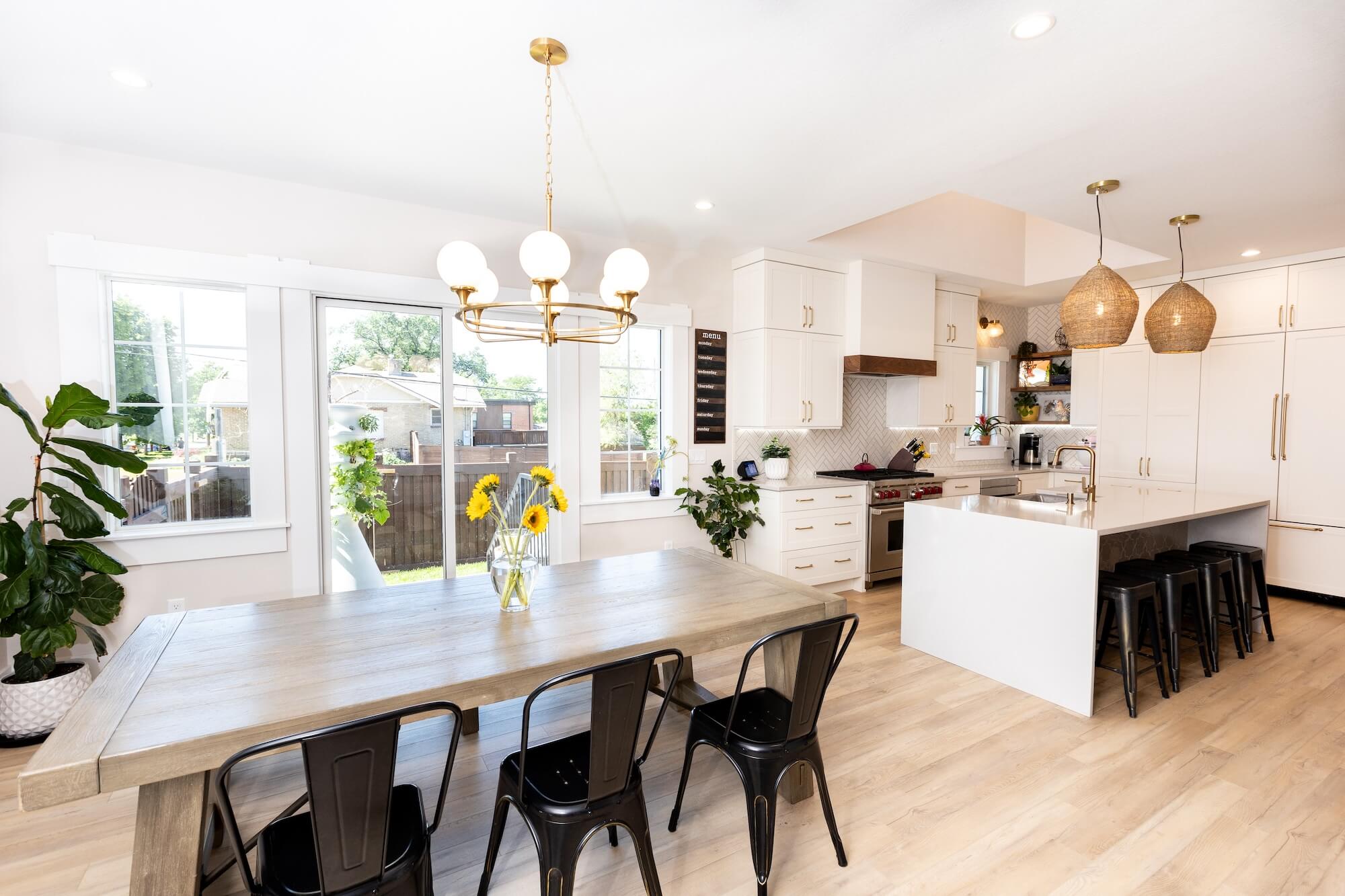
The kitchen is the center of morning coffee and Sunday cooking traditions. It’s where people naturally congregate. We design kitchens with this in mind, ensuring they capture whatever natural light is available. Task lighting should make food prep comfortable even on dim afternoons, and people should have space to gather without getting in the way.
A breakfast nook positioned to catch morning light transforms how you start your day. It’s a small detail, but it adds to the larger experience of living well in your space.
Choosing Denver Home Remodeling Contractors Who Understand Seasonal Living
When you’re interviewing Denver home remodeling contractors for your project, the questions you ask are important. For example:
- Can we consider the orientation of the windows? I’m concerned about the kitchen feeling dark or drafty in the winter.
- How will these materials hold up and feel underfoot during a Colorado cold snap?
- How does this layout factor in natural light to improve the mood of my home? I want to make sure rooms stay well-lit year-round.
You want a contractor who’s thinking beyond finishes and square footage—someone who asks how your kitchen will feel on a grey February day, or whether the new layout will still work when everyone’s spending more time at home in the winter.
The Design-Build Difference
Our Denver home remodeling contractors approach every project holistically, considering lighting, material choices, and flow year-round to create beautiful, functional spaces. Everything connects, which is why the design-build approach is so valuable.
When you integrate design and construction from the start, these considerations aren’t afterthoughts. You’re part of the conversation about what’s possible within your budget and timeline, and architects and builders work together to bring your vision to life. Plus, you have one point of contact for easy communication and peace of mind throughout the project.
Ready to create a space that makes your home feel warm and inviting year-round?
Contact Truth Design Build to schedule a consultation!